Compare Local Contractors for Disability Remodeling Projects
Compare local contractors to define project scope, verify experience, and set clear expectations for your disability remodeling needs.
Disability remodeling services typically encompass modifications to residential or commercial properties to improve accessibility and safety for individuals with mobility challenges or other disabilities. Common work includes installing ramps, widening doorways, modifying bathrooms with grab bars and accessible fixtures, lowering countertops, and ensuring clear pathways throughout the space. These projects aim to create a more functional environment that accommodates specific needs, making daily routines easier and reducing potential hazards within the property.
Clearly defining the scope of a remodeling project is essential to ensure that all necessary modifications are addressed effectively. Property owners should work with service providers to specify exactly what areas require adjustments, what features need to be added or altered, and any special considerations related to accessibility standards. Having a detailed scope in writing helps set clear expectations, minimizes misunderstandings, and provides a basis for evaluating the quality and completeness of the work once completed.
When comparing local contractors for disability remodeling, property owners should look into their experience with similar projects and verify that they understand the specific requirements involved. It’s useful to review their previous work, ask for references, and confirm that they are familiar with relevant accessibility guidelines. Additionally, obtaining detailed written proposals that outline the scope of work, materials, and responsibilities can assist in making informed decisions. Taking the time to compare service providers based on their expertise and clarity of communication helps ensure that the remodeling process aligns with individual needs and expectations.
Compare local contractors by outlining your priorities, verifying experience, and setting clear expectations in writing.
- Compare Local Contractors - evaluate multiple service providers to find the best match for disability remodeling needs.
- Define Project Scope - clearly outline the work requirements to ensure understanding and alignment with contractors.
- Verify Experience - review contractor backgrounds to confirm relevant experience in disability-related renovations.
- Document Expectations - establish written agreements detailing the scope, responsibilities, and standards for the project.

Clearly describe your disability remodeling project to help local contractors compare options and set accurate expectations.
- Verify experience with disability remodeling projects to ensure the contractor understands accessibility standards and specific needs. - Look for service providers who can clearly define the scope of work and provide detailed project descriptions.
- Compare multiple local contractors to assess their expertise and approach to accommodating mobility or accessibility requirements. - Ensure the contractor can offer references or examples of similar projects completed successfully.
- Check that service providers are transparent about their work process and can communicate expectations in writing. - Confirm that all project details, including materials and design considerations, are documented before work begins.
- Assess the contractor’s ability to collaborate with specialists such as occupational therapists or accessibility consultants if needed. - Consider whether the provider demonstrates knowledge of relevant accessibility codes and regulations.
- Ensure the contractor can provide a clear outline of the project timeline and deliverables in writing. - Look for service providers who can establish milestones and confirm understanding of project goals upfront.
- Review the contractor’s reputation and reviews to gauge reliability and quality of previous disability remodeling work. - Seek feedback from past clients to understand their experience working with the contractor.
Use this to compare local contractors, clarify project scope, verify experience, and set clear expectations.
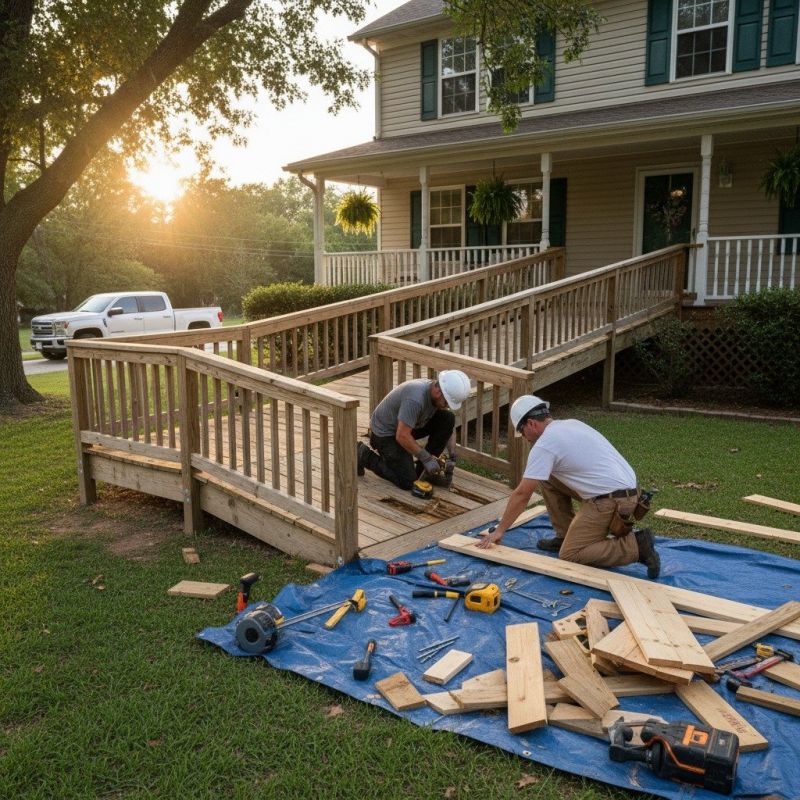


Use consistent comparison criteria across local contractors by clearly defining scope, verifying experience, and documenting expectations in writing.
- Define the scope of the remodeling project by clearly outlining the specific modifications needed to accommodate disability requirements.
- Verify experience with disability remodeling services by assessing the contractor’s background in similar projects and understanding their expertise.
- Compare local contractors based on their qualifications, reputation, and ability to meet project requirements.
- Establish written expectations and detailed work descriptions to ensure clarity and alignment before work begins.
- Check references or reviews to gather insights on the quality and reliability of the service provider’s previous disability remodeling projects.
When evaluating contractors for disability remodeling projects, it’s essential to consider their experience with similar types of work. Homeowners should inquire about the scope of past projects to ensure the service providers have a track record of handling modifications that meet accessibility and comfort needs. A contractor’s familiarity with the specific requirements of disability remodeling can influence the quality and appropriateness of the solutions offered. Reviewing examples of completed projects or asking for references related to similar work can help gauge their expertise and understanding of the unique challenges involved.
Clear, written documentation of the project scope is a crucial factor in selecting a contractor. A detailed scope should outline the specific modifications, materials, and standards expected for the job. This clarity helps prevent misunderstandings and sets realistic expectations for what the project will entail. Homeowners should seek service providers who can provide a comprehensive written description of the work, ensuring all parties agree on the deliverables before any work begins. Well-defined scope documents serve as a foundation for effective communication and project management throughout the remodeling process.
Verification basics are vital when comparing local contractors for disability remodeling. Homeowners should verify that the service providers have a history of completing similar projects successfully. This might involve reviewing their portfolio, checking references, or confirming their experience with accessibility modifications. Additionally, understanding the contractor’s approach to quality assurance and their ability to adhere to project specifications can help ensure the work will meet the necessary standards. Conducting these verification steps can provide confidence that the selected professional is capable of delivering the desired outcomes.
Evaluating options without focusing on prices involves assessing the overall approach, communication clarity, and professionalism of each service provider. Homeowners should consider how well each contractor understands the project scope, their transparency in explaining processes, and their willingness to provide detailed written proposals. Comparing how contractors communicate and document their plans can reveal their commitment to quality and customer service. By focusing on these factors, homeowners can identify service providers who are thorough, reliable, and aligned with the specific needs of disability remodeling projects.
Ask contractors to provide written scope details to ensure clear expectations and consistent project understanding.
- Experience and Specialization - What experience do the service providers have with disability remodeling projects?
- Scope of Work - How do the contractors define and document the specific scope of the remodeling job?
- Comparison of Services - What services and accommodations do different local contractors include in their proposals?
- Project Expectations - How can the scope and expectations be clearly outlined in writing before work begins?
- Qualifications and References - What qualifications or references can the service providers provide to demonstrate their expertise?
How can I compare different contractors for disability remodeling? It's helpful to review their experience with similar projects, check references or reviews, and ensure their scope of work aligns with your needs to make an informed comparison.
What should be included when defining the scope of a disability remodeling project? Clearly outline the specific modifications, materials, and accessibility features desired, and confirm that all parties agree on the project details in writing.
How can I verify a contractor’s experience with disability remodeling? Ask for details about their previous projects, request references, and review their portfolio to assess their familiarity with accessibility modifications.
Why is it important to have project expectations in writing? Having detailed expectations documented helps prevent misunderstandings, ensures everyone is on the same page, and provides a reference throughout the project.
What questions should I ask a contractor before hiring for disability remodeling? Inquire about their experience, the scope of work they handle, how they approach accessibility modifications, and how they communicate project progress.
How can I ensure that a contractor understands my specific accessibility needs? Clearly communicate your requirements, ask how they plan to address them, and confirm that all details are documented in the project agreement.
This page has provided an overview of how to find and compare contractors who can assist with disability remodeling projects. Visitors now understand the importance of defining the scope of work, verifying the experience of service providers, and setting clear expectations in writing to help ensure a smooth process. Using the quote form allows for easy comparison of local contractors, making it simpler to identify options that meet specific needs and preferences.
To explore local options further, utilizing the quote form can help connect with qualified service providers in the area. Comparing multiple local contractors allows for a better understanding of available services and expertise, helping to make informed decisions. Taking the time to define project details and verify experience can support a successful remodeling experience tailored to individual requirements.