Spring Bathroom Disability Renovation Ideas and Planning Tips
Spring is the perfect time to plan bathroom disability renovations with trusted local contractors who can help create accessible, safe, and refreshed spaces.
Spring is a popular season for bathroom disability renovations because it offers an ideal window for home improvement projects. As the weather warms and outdoor activities increase, many property owners see spring as a fresh start and an opportunity to update their living spaces. This season often inspires individuals to plan renovations that enhance accessibility and safety, making it easier to enjoy daily routines and accommodate changing needs. Additionally, spring's longer daylight hours and milder conditions can facilitate the planning and preparation stages, helping property owners feel ready to move forward with their renovation ideas.
Typically, bathroom disability renovation services encompass a range of modifications designed to improve safety, accessibility, and comfort. Common features include walk-in showers or tubs with grab bars, lowered countertops and fixtures, non-slip flooring, and wider doorways for wheelchair access. These renovations may also involve installing accessible sinks, adjustable-height vanities, and improved lighting to enhance visibility. Service providers often work with property owners to assess specific needs and recommend practical solutions that can be integrated seamlessly into existing bathroom layouts, ensuring the space is both functional and compliant with accessibility standards.
When exploring options for bathroom disability renovations, property owners can benefit from comparing local contractors and service providers to find the best fit for their project. This involves reviewing the scope of services offered, understanding each provider’s experience with similar renovations, and considering their approach to planning and execution. Gathering information about the types of modifications available and asking for examples of completed work can help in making an informed decision. Connecting with multiple local service providers allows property owners to evaluate their options, ensuring they choose a professional who can meet their specific needs and preferences with confidence.
Outline your renovation priorities and compare local contractors to find the best fit for your spring bathroom upgrade.
- Accessibility Improvements - Local contractors can install features that enhance bathroom safety and accessibility for all users.
- Barrier-Free Design - Service providers can help create a more open and safe layout to accommodate mobility needs.
- Safety Feature Installation - Professionals can add grab bars, non-slip flooring, and other safety elements during renovation.
- Seamless Renovation Process - Local pros coordinate updates that improve functionality while maintaining a cohesive bathroom design.
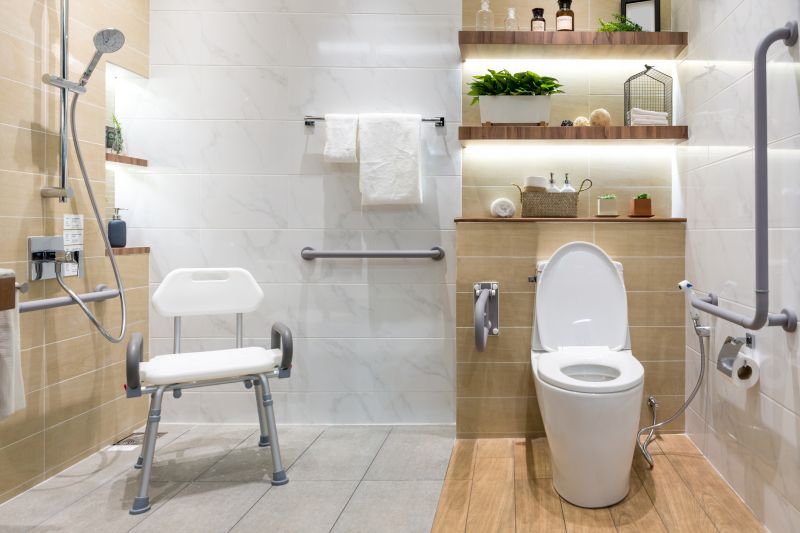
Before comparing options, clearly describe your bathroom disability renovation project to help local contractors understand your needs.
- Assess accessibility features - ensure the bathroom has grab bars, non-slip flooring, and accessible fixtures to meet specific needs.
- Evaluate door widths and clearance - verify doorways are wide enough for mobility aids and allow easy access throughout the space.
- Check for appropriate shower and bathtub modifications - consider walk-in showers, low-threshold tubs, or seating options suitable for mobility requirements.
- Review lighting and visibility - ensure adequate lighting and contrast to improve safety and ease of use for individuals with vision impairments.
- Inspect plumbing and fixture placement - confirm that fixtures are positioned for comfort and ease of reach, reducing the need for stretching or bending.
- Consider ventilation and moisture control - ensure proper ventilation solutions are in place to prevent mold and maintain a healthy environment.
Use this to explore ideas and refine your scope with trusted local contractors specializing in bathroom disability renovations.
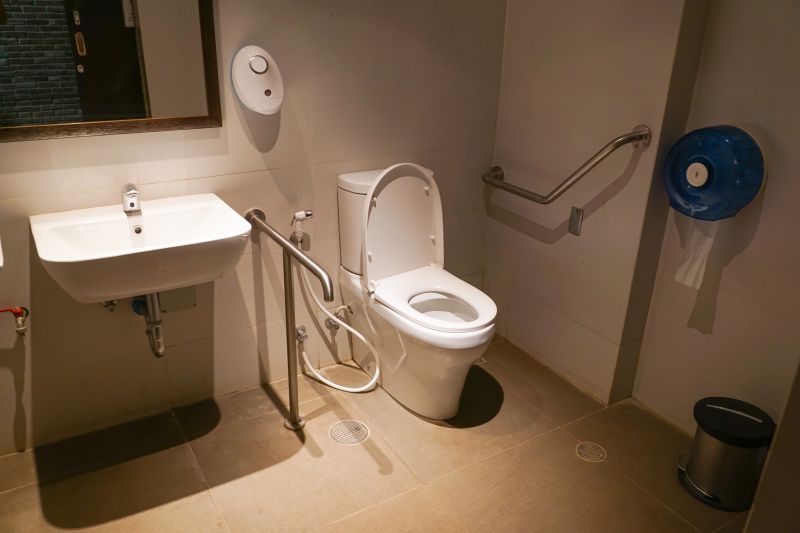
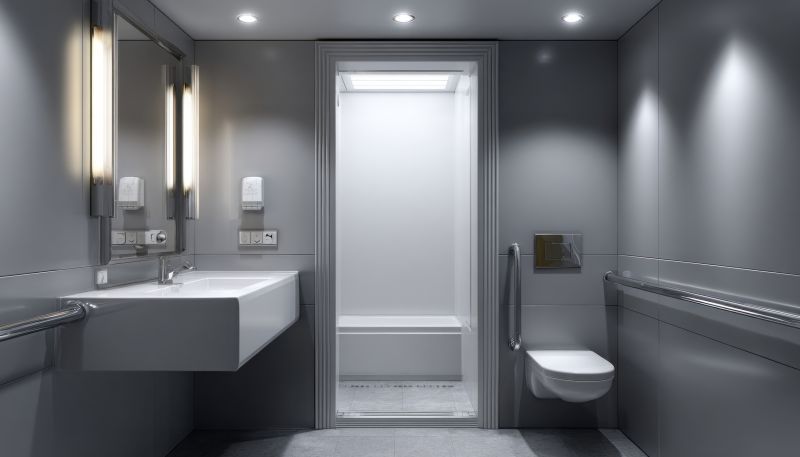
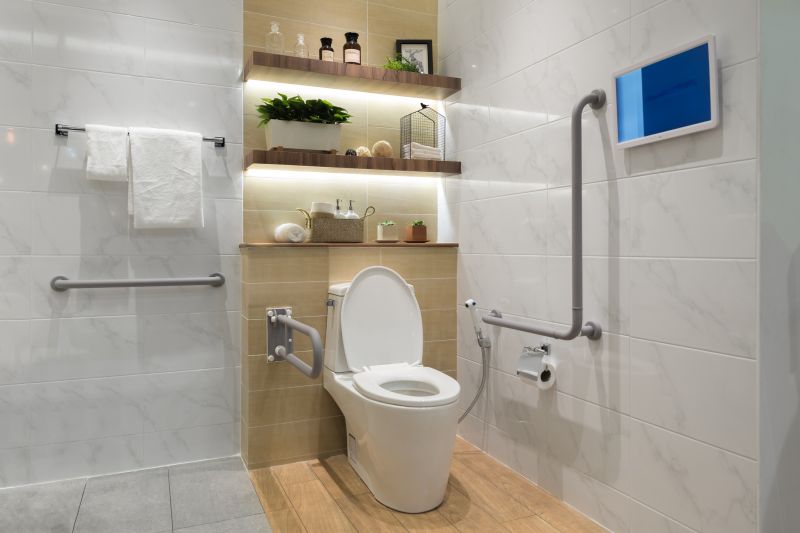
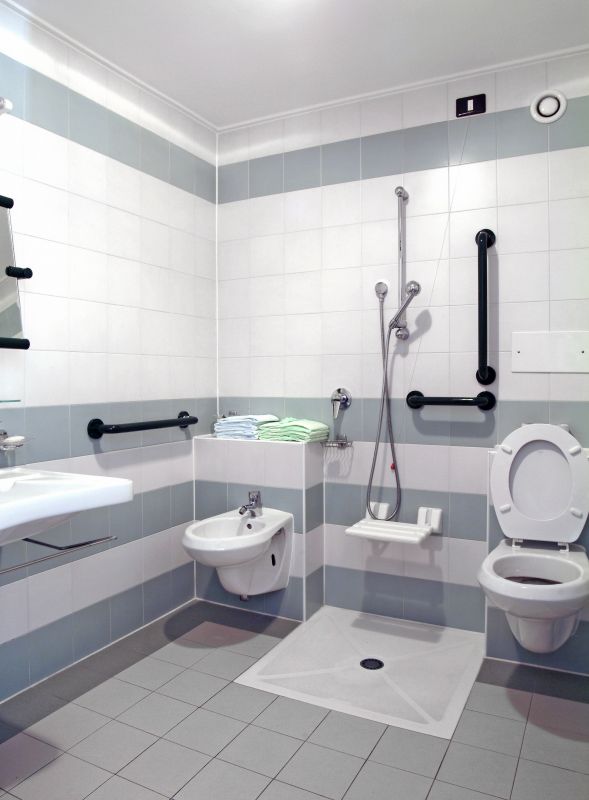
Prioritize your bathroom accessibility needs and compare local contractors to find the best fit for your spring renovation.
- Accessible Shower Installation - Spring is an ideal time to upgrade to a walk-in or curbless shower that enhances safety and accessibility. Local contractors can help select and install suitable fixtures that meet individual needs.
- Grab Bar and Handrail Addition - Installing grab bars and handrails during spring renovations can improve safety and support in the bathroom. Service providers can recommend strategic placement for ease of use.
- Lowered Vanity and Sink Setup - Replacing or adjusting vanities and sinks can make the bathroom more accessible for individuals with mobility challenges. Local pros can assist with custom solutions and installation.
- Non-slip Flooring Replacement - Spring is a good time to upgrade bathroom flooring with non-slip materials to reduce fall risks. Local contractors can recommend durable, safe options suitable for wet environments.
- Lighting and Ventilation Improvements - Enhancing lighting and ventilation can increase safety and comfort. Local service providers can install fixtures that improve visibility and airflow in the bathroom space.
Compare different local contractors offering bathroom disability renovation services to ensure consistent quality and options.
- Accessibility Requirements - Define the specific features needed to accommodate mobility and safety considerations.
- Design Preferences - Clarify style, layout, and functionality preferences to guide renovation choices.
- Material and Fixture Choices - Identify suitable durable and compliant materials and fixtures for the space.
- Space Dimensions and Layout - Measure the bathroom area and plan for optimal placement of fixtures and accessibility features.
- Permitting and Compliance - Determine necessary permits and ensure designs meet local accessibility and building codes.
When comparing service providers for a bathroom disability renovation during the spring season, it’s important to consider their experience with similar projects. Homeowners should seek out local contractors who have a proven track record of completing accessible bathroom modifications. An experienced professional will understand the specific requirements involved, such as installing grab bars, accessible showers, or wheelchair-friendly layouts, ensuring the work meets practical needs and safety standards. Reviewing a contractor’s portfolio or asking about past projects can provide insight into their familiarity with the scope and complexity of bathroom accessibility renovations.
Clarity in the scope of work is essential when evaluating local service providers. A detailed, written description of what the renovation will include helps set clear expectations and prevents misunderstandings. Homeowners should look for contractors who can articulate the specific modifications planned, the materials to be used, and the overall process. This transparency allows for better comparison between options and ensures that the chosen professional understands the homeowner’s goals for a functional, accessible bathroom that suits individual needs.
Work planning considerations are especially relevant during the spring season, which often prompts home refresh projects. When assessing local contractors, it’s helpful to inquire about their planning process, including how they coordinate the different phases of the renovation, manage potential disruptions, and ensure timely completion. A well-organized work plan can minimize inconvenience and help homeowners visualize how the project will progress from initial preparation through final touches. Understanding these planning considerations can assist in selecting a provider that aligns with seasonal scheduling and personal timelines.
Evaluating options without focusing on prices involves examining the quality of service and the approach to each project. Homeowners should consider how each local contractor communicates their process, the professionalism demonstrated during initial consultations, and their ability to provide comprehensive solutions tailored to individual needs. Asking about their experience with accessibility features, availability of specialized products, and methods for ensuring safety can help determine which service provider is best suited for the renovation. This approach ensures a thoughtful selection process centered on expertise and compatibility with the project’s goals.
Request written scope details from local contractors to ensure clarity and consistency for your bathroom renovation.
- Spring Bathroom Disability Renovation Services - what scope of work do local contractors typically include for bathroom accessibility upgrades?
- Bathroom Accessibility Improvements - how do different service providers compare in their approach to planning and designing accessible features?
- Bathroom Renovation Contractors - what factors should be considered when defining the scope of a disability-focused bathroom renovation project?
- Spring Bathroom Adaptation Services - how do local pros approach customization and flexibility in bathroom modifications for accessibility?
- Bathroom Accessibility Renovation - what are the key differences in service offerings among local contractors specializing in disability-friendly bathroom updates?
What are the key considerations for bathroom disability renovations in spring? Spring is a popular time to refresh bathroom spaces, focusing on accessibility features, safety upgrades, and modern fixtures that enhance usability and comfort for individuals with mobility challenges.
How can local contractors assist with bathroom accessibility improvements? Local service providers can evaluate existing bathroom layouts, recommend suitable modifications, and install features such as grab bars, walk-in showers, and non-slip flooring to improve accessibility.
What types of bathroom modifications are commonly included in disability renovations? Typical updates include installing grab bars, replacing bathtubs with walk-in showers, widening doorways, and adding seating or support rails to make the space safer and more functional.
Are there design tips for making a bathroom more accessible during a renovation? Incorporating barrier-free entryways, leveraging adjustable fixtures, and choosing easy-to-clean, slip-resistant surfaces can help create a more accessible and user-friendly bathroom environment.
How do I find local service providers for bathroom disability renovations? This site helps connect individuals with local contractors experienced in accessible bathroom upgrades, allowing for comparison and selection of suitable professionals for the project.
What should be considered when planning a bathroom renovation for accessibility during spring? Planning should include evaluating current needs, selecting appropriate fixtures and safety features, and coordinating with local experts to ensure the space meets mobility requirements and seasonal considerations.
This spring, many are exploring bathroom disability renovation options to enhance safety, accessibility, and comfort. Visitors have learned how choosing the right modifications can make a significant difference in daily routines and overall well-being. To find the best local contractors suited to specific needs, using the quote form to compare options is a helpful step toward connecting with service providers experienced in bathroom upgrades.
Spring is an ideal time to plan and initiate bathroom disability renovations, ensuring spaces are both functional and accommodating. By utilizing the quote form, visitors can easily explore and compare local contractors who can handle the job, making it easier to find the right fit for individual requirements. This approach supports informed decisions and helps identify trusted service providers in the area.
Providing clear details about your bathroom disability renovation helps local contractors understand your project needs effectively.
- Accessibility Features - details about the specific accessibility modifications needed in the bathroom.
- Current Bathroom Layout - information about the existing bathroom setup and any structural considerations.
- Design Preferences - preferences for style, fixtures, and finishes to match the home’s aesthetic.
- Project Goals - the main objectives for the renovation, such as safety improvements or increased functionality.