Compare Local Contractors for Accessibility Modification Projects
Compare local contractors for accessibility modifications to define scope, verify experience, and set clear expectations in writing for a successful project.
Accessibility modification contractors typically handle a range of updates aimed at making properties safer and more functional for individuals with mobility challenges or other accessibility needs. Common projects include installing ramps, modifying doorways, adding grab bars and handrails, adjusting bathroom and kitchen layouts, and improving overall navigation within a property. These modifications are designed to enhance safety, independence, and comfort, often requiring careful planning to ensure that changes meet the specific needs of the property owner or occupant.
Defining the scope of an accessibility modification project is an essential step that can influence the success of the work. Clear communication about the desired outcomes, specific features to be added or altered, and any relevant building codes or regulations helps ensure that both property owners and contractors are aligned. A well-defined scope also provides a basis for comparing different service providers, making it easier to evaluate their experience, approach, and ability to deliver the required modifications. Documenting expectations in writing can help prevent misunderstandings and establish a foundation for a smooth project process.
When choosing local contractors for accessibility modifications, property owners should consider several factors to make informed comparisons. It’s helpful to verify each contractor’s experience with similar projects, review their portfolio or references if available, and understand their approach to planning and communication. Comparing how contractors define the scope of work and the details they include in written agreements can reveal their professionalism and attention to detail. By evaluating these aspects, property owners can find service providers who are best suited to meet their accessibility needs while ensuring the project aligns with their expectations and requirements.
Compare local contractors by outlining your priorities, verifying experience, and setting clear expectations in writing.
- Compare Local Contractors - review profiles and credentials to find service providers experienced in accessibility modifications.
- Define Project Scope - clearly outline the work needed to ensure all parties understand the expectations.
- Verify Experience - check for relevant project history and expertise in accessibility upgrades.
- Set Expectations in Writing - document the scope, materials, and standards to ensure alignment before work begins.

Before comparing contractors, clearly describe your accessibility modification project to ensure accurate scope and expectations.
- Verify experience with accessibility modifications to ensure contractors understand relevant standards and techniques. - Review the scope of work carefully to ensure it covers all necessary modifications for accessibility needs.
- Compare service providers based on their expertise and project portfolios related to accessibility upgrades. - Confirm that contractors have a clear process for defining project scope and deliverables in writing.
- Ensure contractors can provide detailed written estimates that outline the scope of work and materials involved. - Discuss the specific accessibility features required and confirm they can accommodate those needs.
- Check references or reviews to gauge the reliability and quality of previous accessibility modification projects. - Confirm that contractors understand local building codes and accessibility standards relevant to the project.
- Clarify the communication process to ensure all project expectations, changes, and scope details are documented clearly in writing. - Ensure service providers are transparent about their procedures for handling project scope and modifications.
Use this to compare local contractors, clarify scope, verify experience, and set clear expectations.
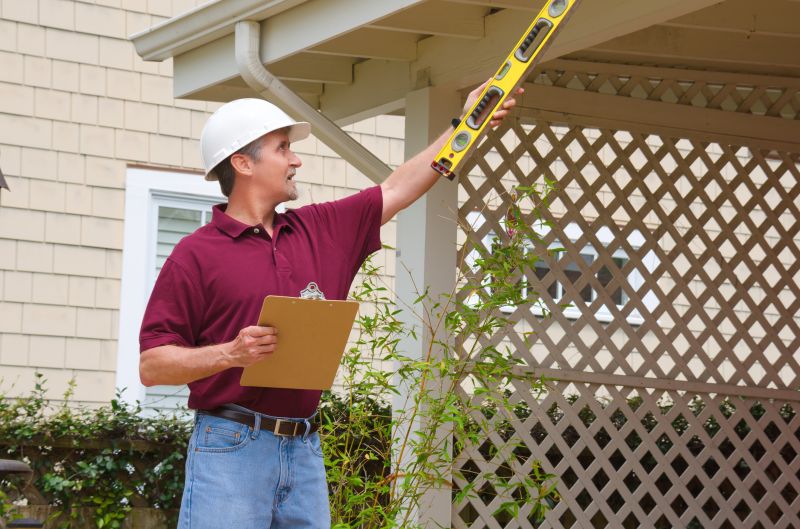
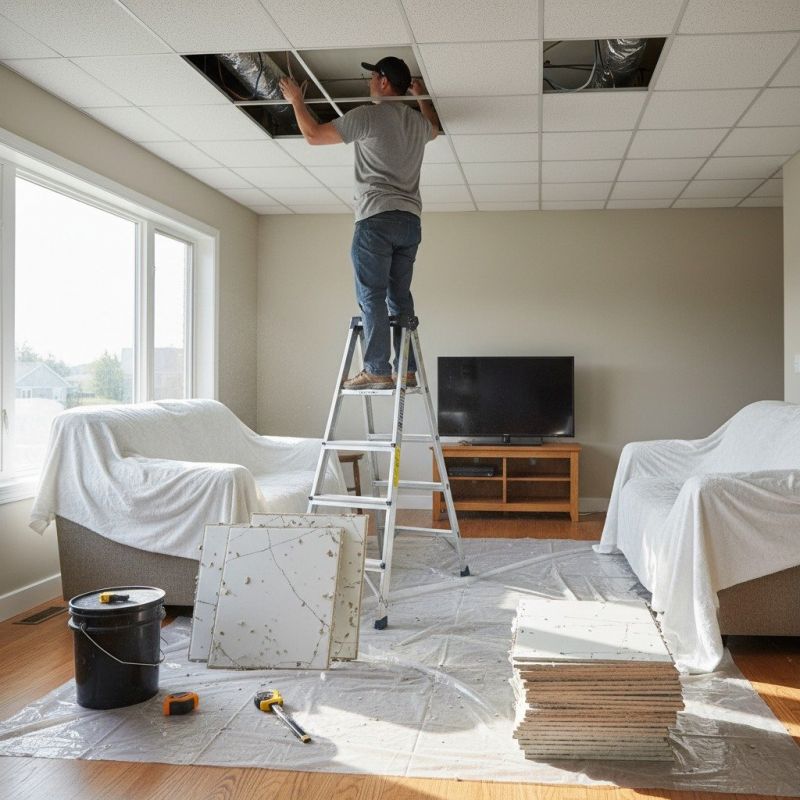

Compare local contractors’ scope definitions and experience to ensure consistent expectations across all service providers.
- Define Scope of Accessibility Modifications - Clearly outline the specific adjustments or installations needed to improve accessibility in the space.
- Verify Experience with Accessibility Projects - Confirm that local contractors have relevant experience and a track record with similar modifications.
- Establish Expectations in Writing - Document the scope, materials, and standards to ensure mutual understanding before work begins.
- Assess Contractor Qualifications and References - Gather information on previous projects and client feedback to evaluate the service provider’s expertise.
- Compare Service Providers Based on Scope and Approach - Review how each local contractor plans to address accessibility needs to determine the best match for the project.
When evaluating contractors for accessibility modifications, it is important to consider their experience with similar projects. Homeowners should inquire about the types of modifications the contractor has completed in the past, especially those that match the scope of their own needs. Contractors with a history of handling accessibility upgrades, such as ramps, widened doorways, or bathroom adjustments, are more likely to understand the specific requirements and challenges involved. Reviewing a contractor’s portfolio or asking for references related to comparable work can provide insight into their familiarity and expertise in this specialized area.
A clear, written scope of work is essential for ensuring that expectations are aligned from the outset. Homeowners should seek detailed descriptions of the tasks involved, materials to be used, and the specific outcomes aimed for in the project. A well-defined scope helps prevent misunderstandings and provides a basis for evaluating the contractor’s approach. It also serves as a reference point throughout the project, making it easier to verify that the work being done matches the agreed-upon plan. Clear documentation supports transparency and helps ensure that everyone is on the same page.
Verifying the basics of a contractor’s experience involves more than just checking references. Homeowners should ask about the contractor’s familiarity with local building codes and accessibility standards relevant to the project. Confirming that the contractor understands the necessary safety considerations and proper installation techniques can reduce the risk of issues later on. Additionally, understanding the contractor’s process for project management and communication can help set expectations for how the work will be coordinated and monitored. Gathering this foundational information helps homeowners make informed comparisons between service providers.
When comparing options among local contractors, it is helpful to evaluate how each one plans to approach the project without focusing on price. Consider how thoroughly they have outlined the scope, their experience with similar modifications, and their ability to communicate clearly about the process. Asking each contractor to describe their proposed methods and how they ensure quality can reveal their level of professionalism and attention to detail. By focusing on these aspects, homeowners can better assess which service providers are equipped to handle their accessibility needs effectively, ensuring a smooth and successful modification process.
Ask service providers to provide written scope details to ensure clear expectations and consistent project understanding.
- Experience and Qualifications - What specific experience do local contractors have with accessibility modifications similar to the project scope?
- Scope of Work - How do contractors define and document the scope of accessibility modifications to ensure clarity?
- Comparison of Services - What services and modifications are included in each contractor’s proposed scope for accessibility improvements?
- Materials and Methods - Which materials and construction methods do local service providers plan to use, and how do they impact the scope?
- Project Expectations - How do contractors outline the expected outcomes and limitations of the accessibility modifications in their proposals?
How can I find qualified contractors for accessibility modifications? To find qualified contractors, compare local service providers by reviewing their experience with accessibility projects, verifying their credentials, and checking references or reviews to ensure they meet your needs.
What should I consider when defining the scope of accessibility modifications? Clearly outline the specific modifications needed, such as door widenings or bathroom upgrades, and communicate these details to contractors to ensure they understand the project requirements.
How can I verify a contractor’s experience with accessibility projects? Ask potential contractors about their past work on similar projects, request examples or references, and confirm they have relevant experience in accessibility modifications.
Why is it important to put project details in writing? Having a written agreement helps set clear expectations, defines the scope of work, and provides a reference for any future discussions or clarifications about the project.
What questions should I ask when comparing local contractors? Inquire about their experience, approach to accessibility modifications, understanding of project scope, and how they handle unexpected issues to make an informed comparison.
How can I ensure that a contractor understands my accessibility needs? Communicate your specific requirements clearly, ask for their suggestions or solutions, and confirm they understand the scope before proceeding with the work.
This page has provided an overview of how to find and compare contractors specializing in accessibility modifications. Visitors learned the importance of clarifying project scope, verifying experience, and establishing clear expectations in writing to help ensure a smooth process. Using the quote form allows for straightforward comparison of options in your area, helping to identify service providers who can meet specific needs.
By utilizing the provided tools, individuals can connect with local contractors equipped to handle accessibility modifications tailored to their requirements. Filling out the quote form is a practical step toward exploring available service providers, making it easier to evaluate options and find the right fit for the project.